
Ritual to Retail emerged from a craft research study with Warli artisans in Dahanu, a coastal town in Maharashtra, exploring how Warli evolved from a visual language into a commercial art form through fieldwork, analysis, and a digital platform that repositions it for future generations.
Project Link


Stage 1
We began with immersive fieldwork in Dahanu, engaging directly with Warli artisans to understand their practices, challenges, and lived experiences. These conversations shaped the questions that guided the rest of the project.
Stage 2
Using primary and secondary research, we examined Warli's transition from a ritual visual language into a commercial art form, documenting the cultural shifts, changing practices, and symbolic meanings behind its evolution.
Stage 3
Our findings culminated in an interactive website that presents Warli as a visual vocabulary. The platform combines an artisan homestay experience, a vocabulary archive, and interactive learning tools to reconnect users with the meanings behind the motifs.


Traditionally, Warli painting was practised by women as part of sacred rituals, with knowledge passed down orally. As it entered commercial spaces, men increasingly took over production and sales, shifting both who practised the craft and its cultural significance.
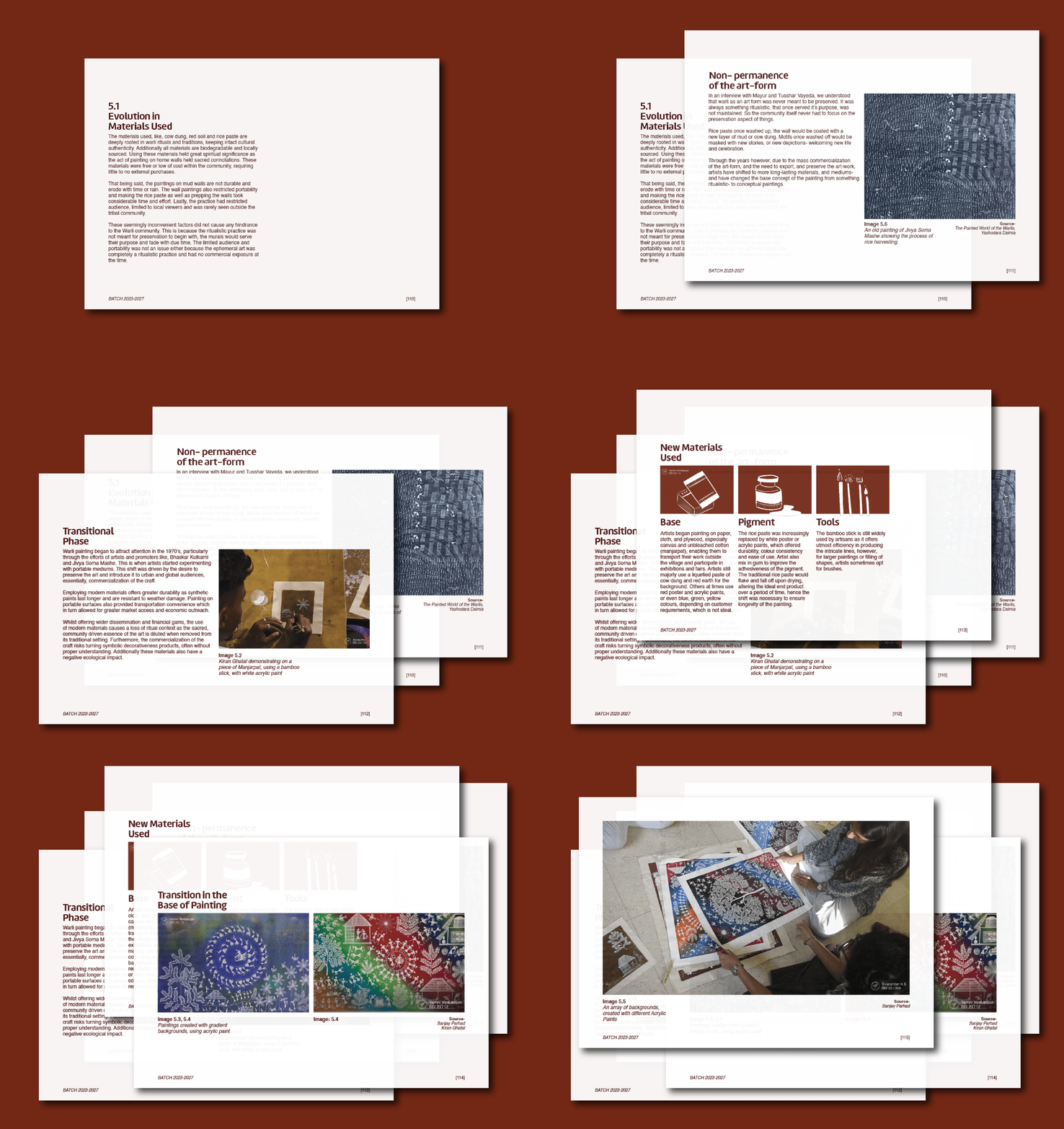
Warli paintings evolved from ephemeral murals made with natural materials on mud walls to portable works on cloth, paper, plywood, and canvas using acrylic and poster paints. This shift improved durability while supporting preservation and commercial circulation.
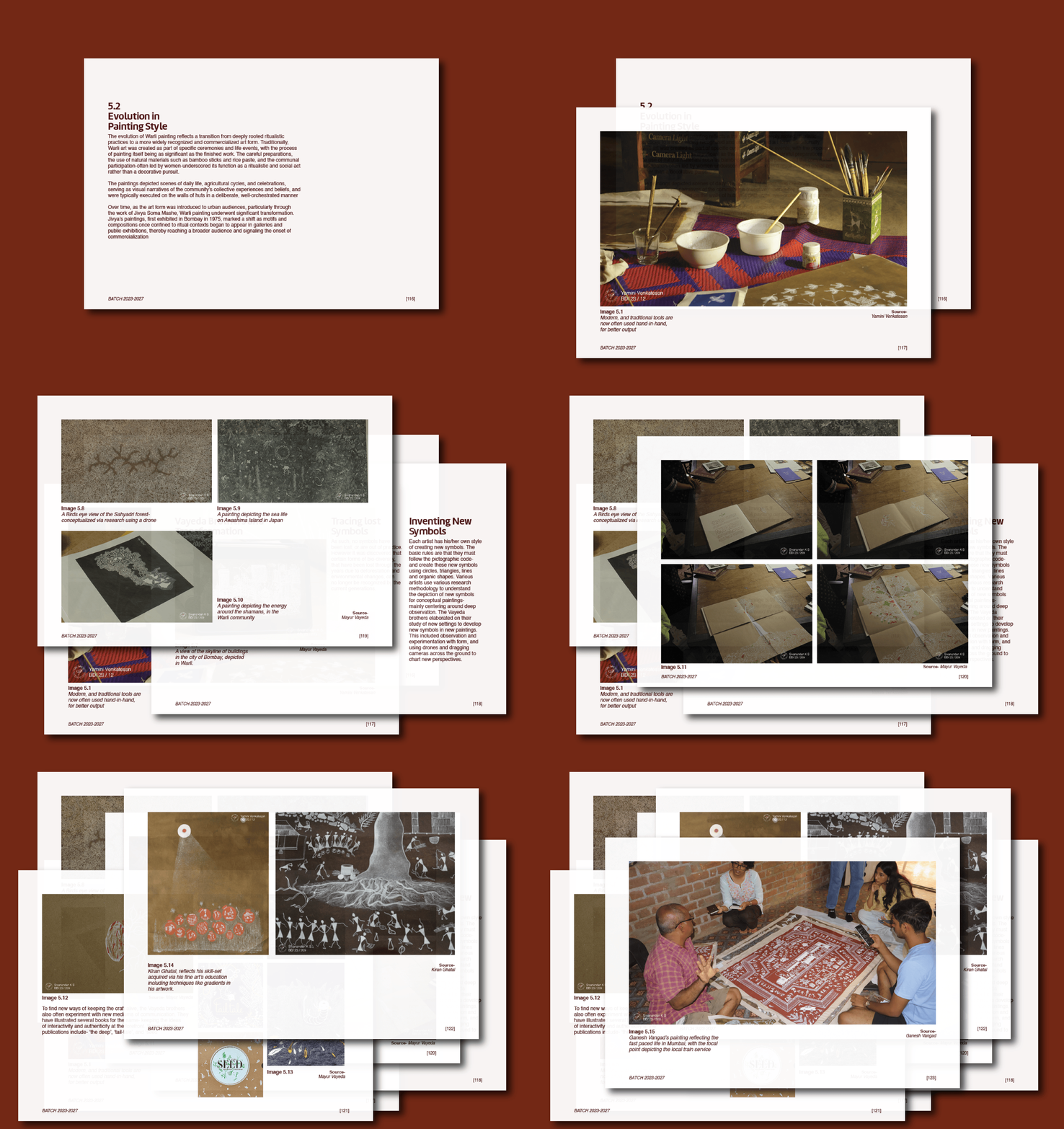
While Warli's geometric vocabulary remained unchanged, its visual language expanded beyond ritual narratives to depict urban life, environmental change, and contemporary experiences, creating new stories within its traditional pictographic framework.


The project highlighted that artisan communities possess immense cultural knowledge but often lack systems to document and share it. Thoughtful design interventions can help preserve this knowledge while allowing traditions to evolve with changing contexts.


BACK TO TOP
